
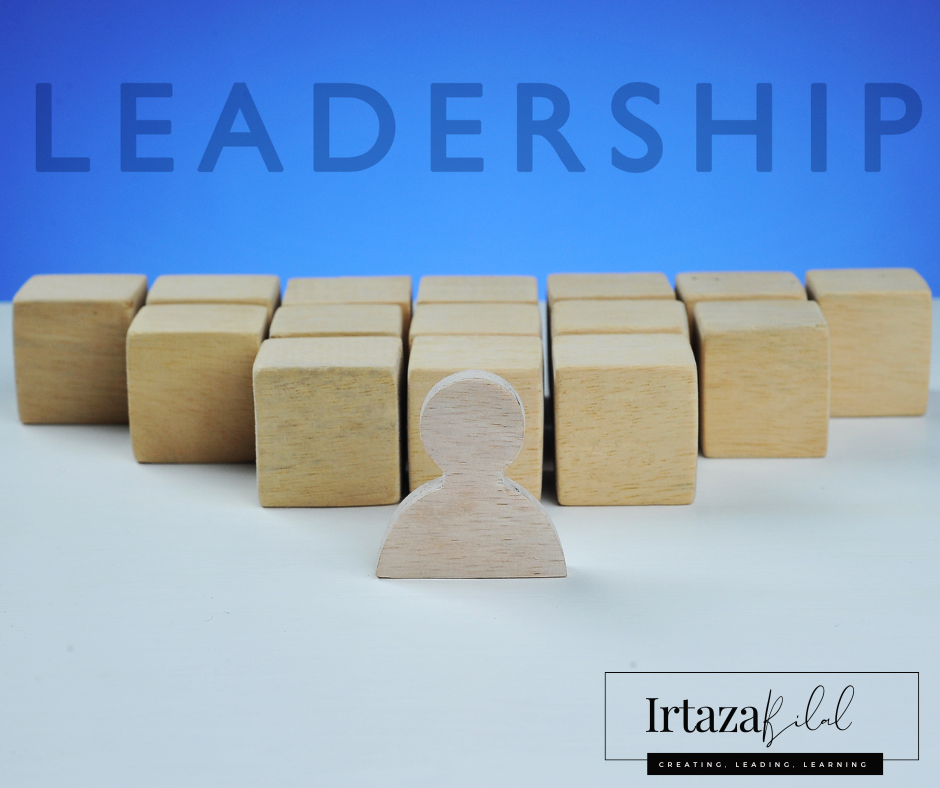
In the complex tapestry of human relationships, the threads of interpersonal leadership skills weave a pattern of influence, empathy, and connection. These skills are not just the hallmark of effective leaders but the cornerstone of any successful team or organization. They matter deeply, perhaps now more than ever, in a world where collaboration and understanding are pivotal.
The Emotional Core of Leadership
Imagine a leader who speaks, but nobody listens. Or one who gives orders, but none inspire action. The difference between such a leader and one who motivates, inspires, and connects lies in interpersonal leadership skills. These skills encompass empathy, active listening, effective communication, and emotional intelligence.
Empathy allows leaders to understand and resonate with the emotions and perspectives of their team members. It’s what turns a simple directive into a shared vision. When leaders genuinely care about their people, it fosters a sense of belonging and loyalty. In a practical sense, this could mean taking the time to understand an employee’s personal challenges and providing the necessary support, which in turn can lead to increased job satisfaction and productivity.
Active listening, another crucial skill, is not just about hearing words but understanding the message behind them. It’s about being present in the moment, giving full attention, and responding thoughtfully. This fosters an environment of trust and openness, where team members feel valued and heard.
The Ripple Effect of Strong Interpersonal Skills
Strong interpersonal leadership skills create a ripple effect throughout an organization. When leaders communicate effectively and show genuine concern for their team, it promotes a culture of respect and collaboration. This culture trickles down to every level, enhancing overall team performance and job satisfaction.
Consider a scenario where a leader recognizes and praises a team member’s effort. This simple act can boost morale, encourage others to strive for excellence, and foster a positive work environment. Conversely, a lack of interpersonal skills can lead to misunderstandings, conflicts, and a toxic work culture.
How To Improve Your Interpersonal Leadership Skills
Improving interpersonal leadership skills is not an overnight journey but a continuous process of self-awareness and practice. Here are actionable steps to enhance these vital skills:
- Develop Emotional Intelligence (EI): Emotional intelligence is the ability to recognize, understand, and manage our own emotions, as well as the emotions of others. Work on becoming more aware of your emotional responses and practice regulating them. This can be achieved through mindfulness exercises and reflective practices.
- Practice Active Listening: Make a conscious effort to listen more and speak less. Pay attention to non-verbal cues, maintain eye contact, and provide feedback that shows you’ve understood the other person’s point of view.
- Foster Empathy: Put yourself in others’ shoes. Try to understand their experiences, feelings, and challenges. This can be cultivated through open-ended questions and genuine curiosity about others’ lives.
- Enhance Communication Skills: Clear, concise, and considerate communication is key. Avoid jargon, be transparent, and ensure your message is understood as intended. Practicing public speaking and engaging in regular team meetings can improve these skills.
- Seek Feedback: Encourage and be open to feedback from your peers and team members. This not only helps you grow but also shows that you value their opinions and are committed to continuous improvement.
- Build Strong Relationships: Take the time to get to know your team members on a personal level. Building rapport and trust goes a long way in creating a cohesive and motivated team.
Conclusion
Interpersonal leadership skills are the lifeblood of any thriving team or organization. They bridge gaps, build trust, and drive collective success. By investing in these skills, you are not just becoming a better leader but fostering an environment where everyone can flourish. The journey to mastering these skills is ongoing, but the impact you create along the way is profound and lasting.
So, take the first step today. Listen more, empathize deeply, and communicate with clarity and compassion. The world needs leaders who not only guide but connect. Be that leader.